Adventure World Shirahama changed up the giant panda's diet.
Back in 1994, when we first started caring for them, their daily meals were super nutritious, like 1.3kg of special panda buns made from corn flour, wheat bran, horse meat, and eggs, plus 1kg of apples and 1L of milk. Maybe because of all that, they only ate about 2-5kg of bamboo each day, even though bamboo should be their main food! When our male panda, 'Eimei,' first came to Japan, he wasn't eating much and kept having sticky poop and diarrhea. He was diagnosed with chronic gastroenteritis and got medicine, but it didn't really help. Eimei weighed 88kg when he arrived, and even though he was still growing, he didn't gain any weight for a whole year! So, figuring out how to keep 'Eimei' healthy became a big challenge we needed to solve.
-
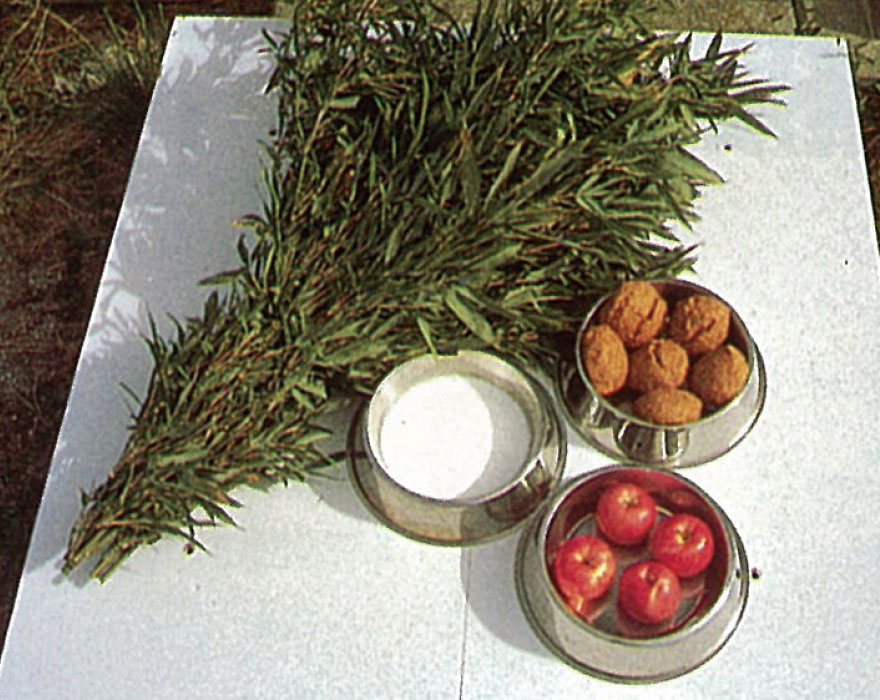
High-nutrient diet when we first started feeding (2 years old)
-
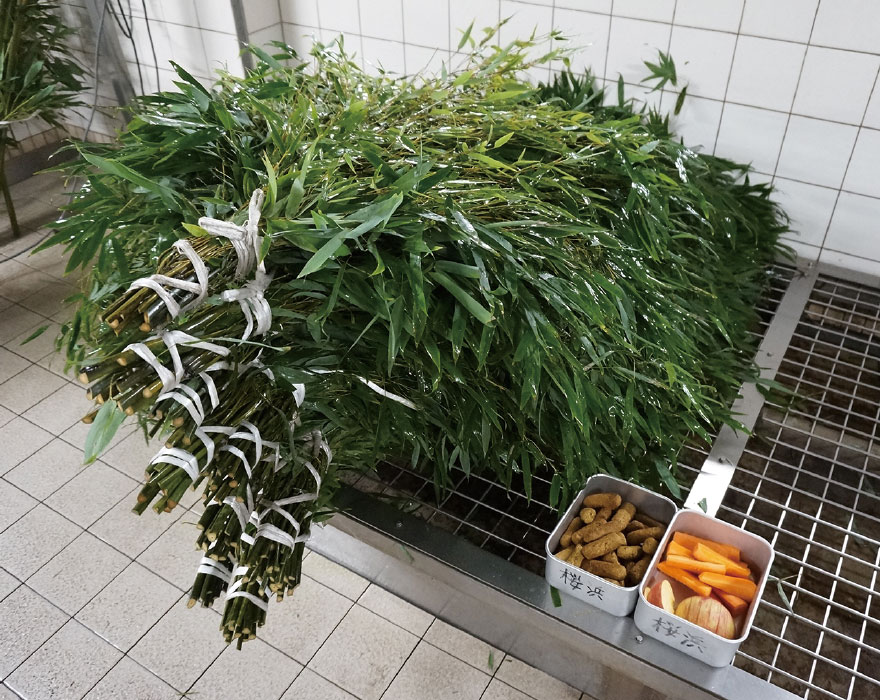
Current bamboo-based diet (2 years old)
Eimei's Weight and Average Monthly Poop Amount
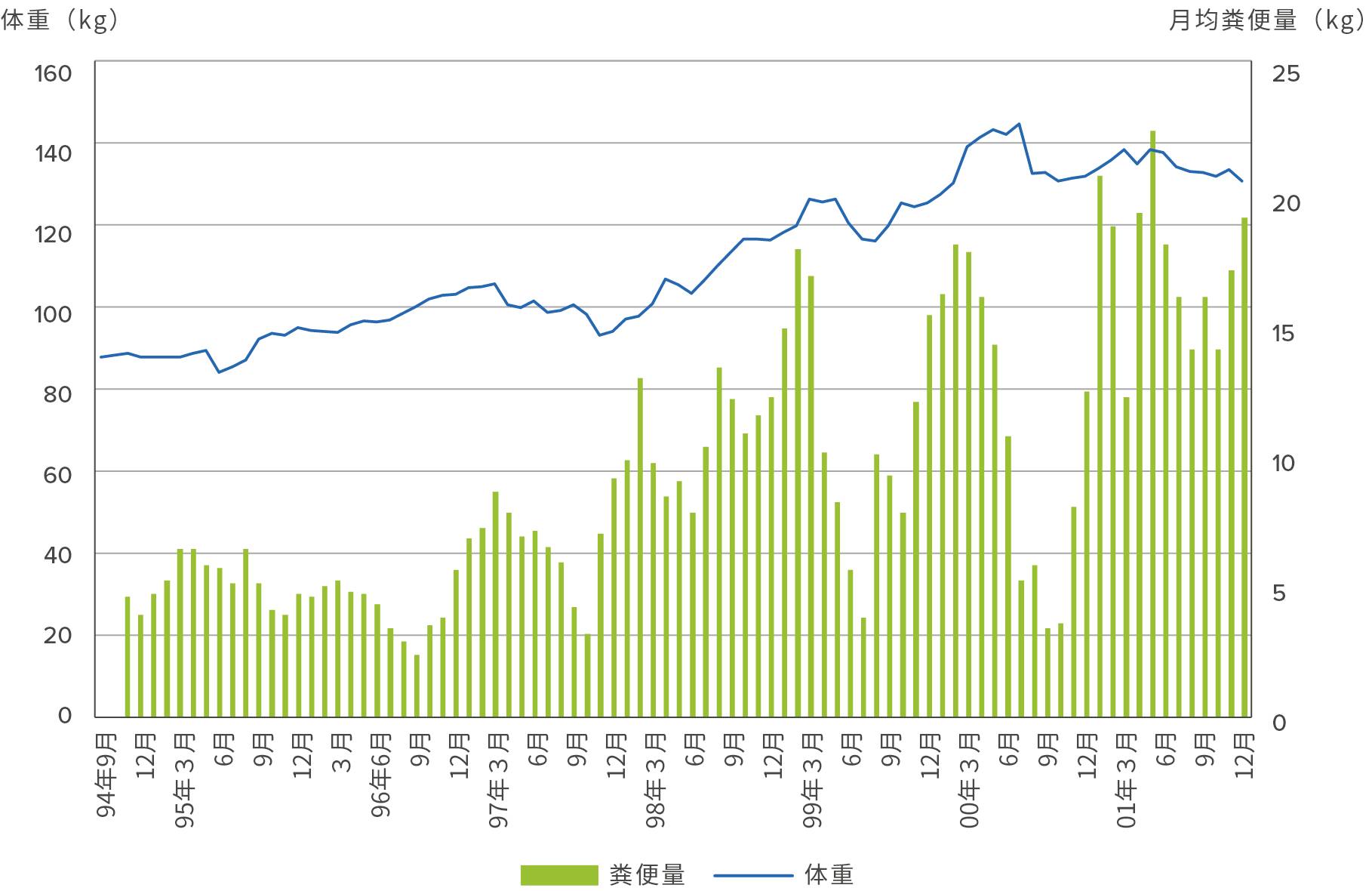
After chatting with the Chengdu Research Base of Giant Panda Breeding and Kitasato University in Japan (who help us research panda digestion), we decided to swap out the high-sugar, high-fat food for high-fiber options and give them more bamboo. From 1998, 'Eimei' started gaining weight, eventually reaching around 130kg! We added carrots to their diet in 1998, and in 2001, we even included high-fiber biscuits (Mazuri® Primate Browse Biscuit) that are great for leaf-eating animals. We mostly feed them Moso bamboo, but in summer when their appetite might dip, we make sure to offer a variety of bamboos like Chinese timber bamboo, river bamboo, arrow bamboo, Chishima sasa bamboo, and Hōrai bamboo to keep them munching. Since we removed milk powder from the diet of pandas aged 2 and up in 2009, our adult pandas have barely had any digestive issues, which means we can keep them super healthy!