




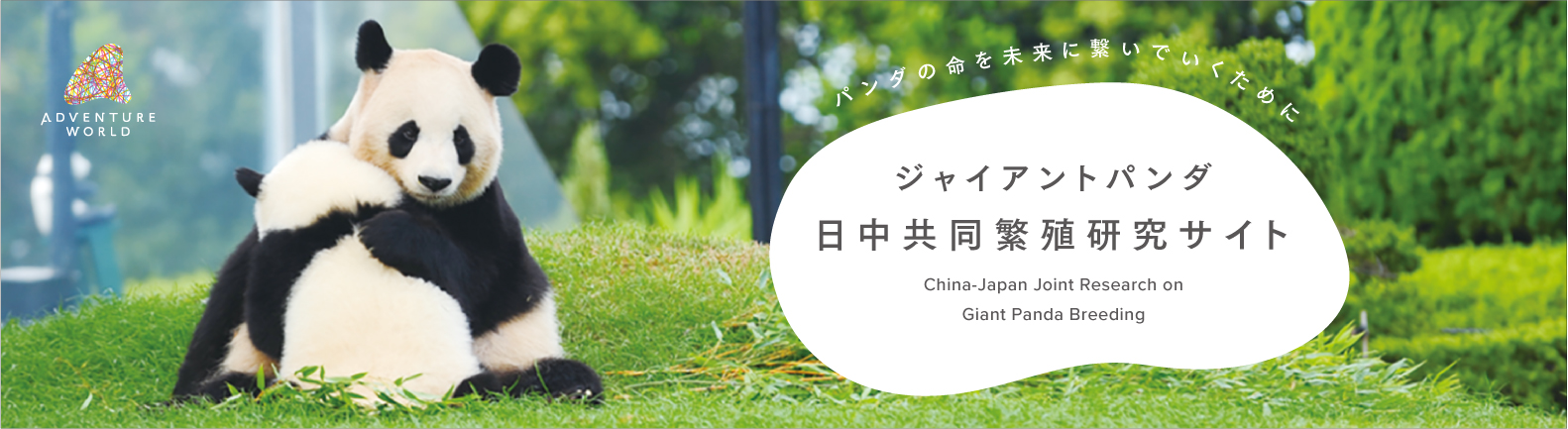
We've always put the health of our giant pandas first, and we're always working hard to help them breed naturally. Through our Japan-China joint breeding research, we're creating a sustainable system for panda breeding, with the ultimate goal of helping them return to the wild!
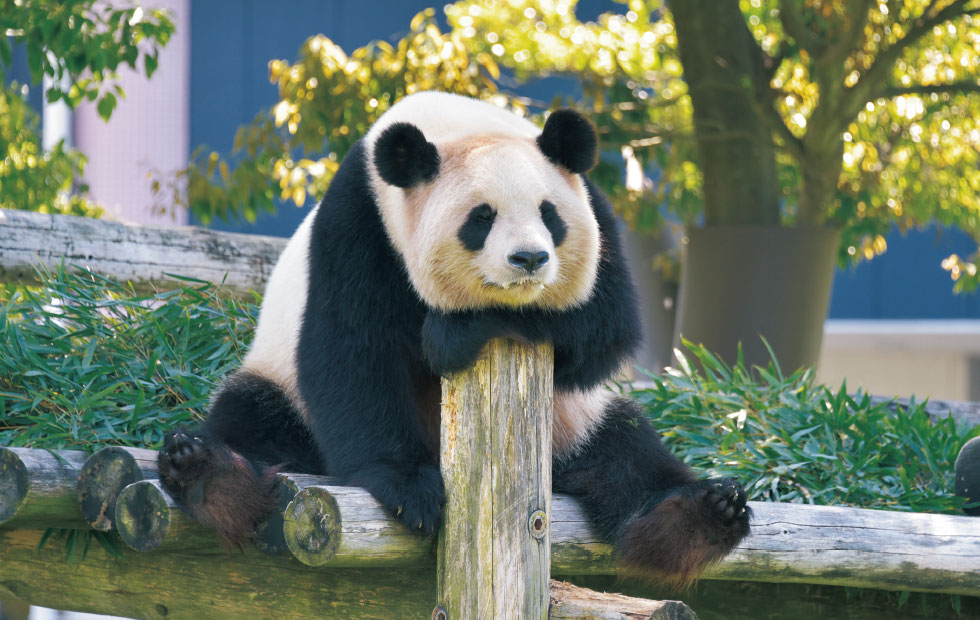
We always put the health of each giant panda first when it comes to their care. When it comes to giant panda births in captivity, we've had quite a few cases where mothers gave birth after turning 20! Even older pandas naturally go into estrus, but we carefully watch their behavior and how pairs interact. We always prioritize their health to make the best choices for them.
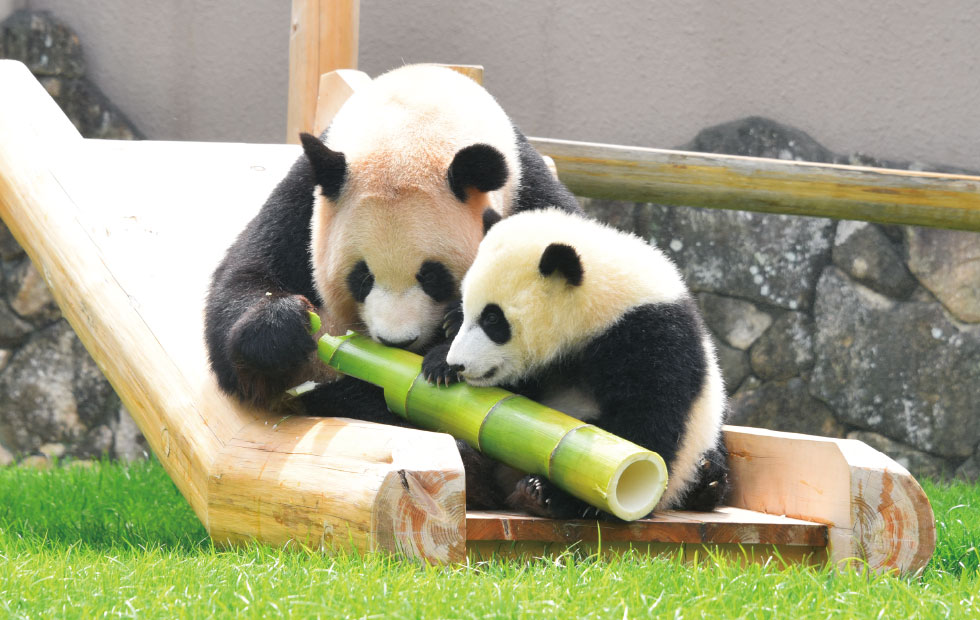
It's believed that if baby pandas don't spend enough time with their parents, they might not know how to interact with other pandas when they're old enough to breed, which could lead to them not having their own babies. Also, when they become parents themselves, they might not know how to raise their cubs and could even abandon them. That's why at Adventure World, we make sure parent and child pandas spend lots of quality time together, usually until the cub is about 1 to 1.5 years old. By playing with their family, cubs learn all sorts of important things, like how to get along with others, how to play, and how to eat. After this special time, they gradually start playing, eating, and sleeping more on their own, spending less time with their parents as they get ready to be independent.
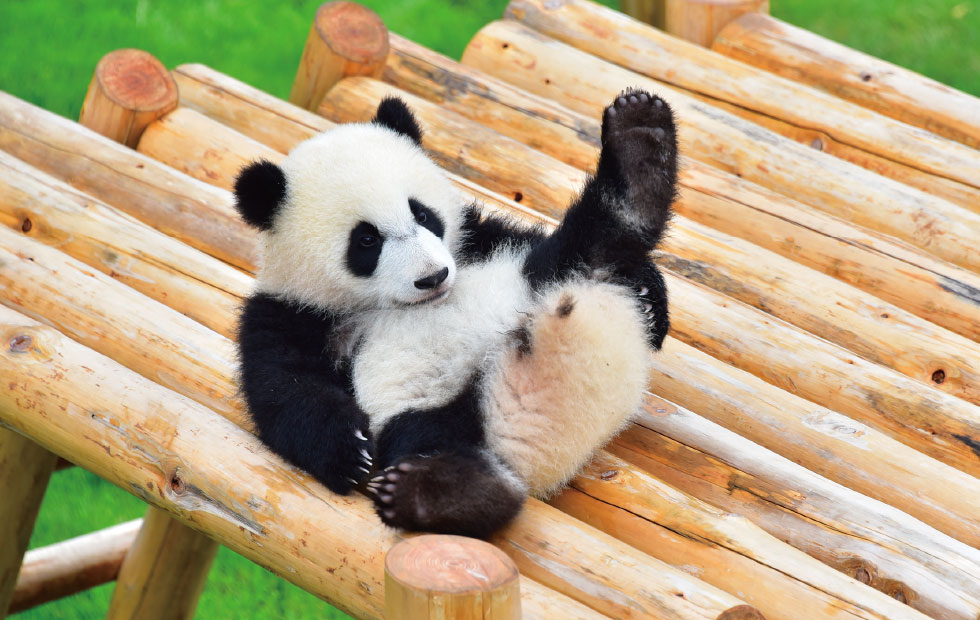
Giant pandas are solitary animals, meaning they like to live alone. In the wild, they leave their parents and start living by themselves between 1 and 2 years old. Even if they're twins, they'll hang out with their siblings when they're little, but once they grow up, they get territorial and start fighting over food and space. For solitary animals like pandas, the time for parents and cubs to part ways comes suddenly. The parent will suddenly change their behavior towards the cub, becoming aggressive and chasing them out of their territory to encourage them to be independent. In the wild, cubs can just wander off, but here at Adventure World, their space to roam is limited.
Here at Adventure World, we figure out the best time for cubs to become independent by seeing how long they can spend away from their parents and if they can eat bamboo on their own. We always put the safety of both parent and cub first, and we help them become independent step by step.
Adventure World will keep on
always putting the animals' health first,
caring for them to ensure their future.